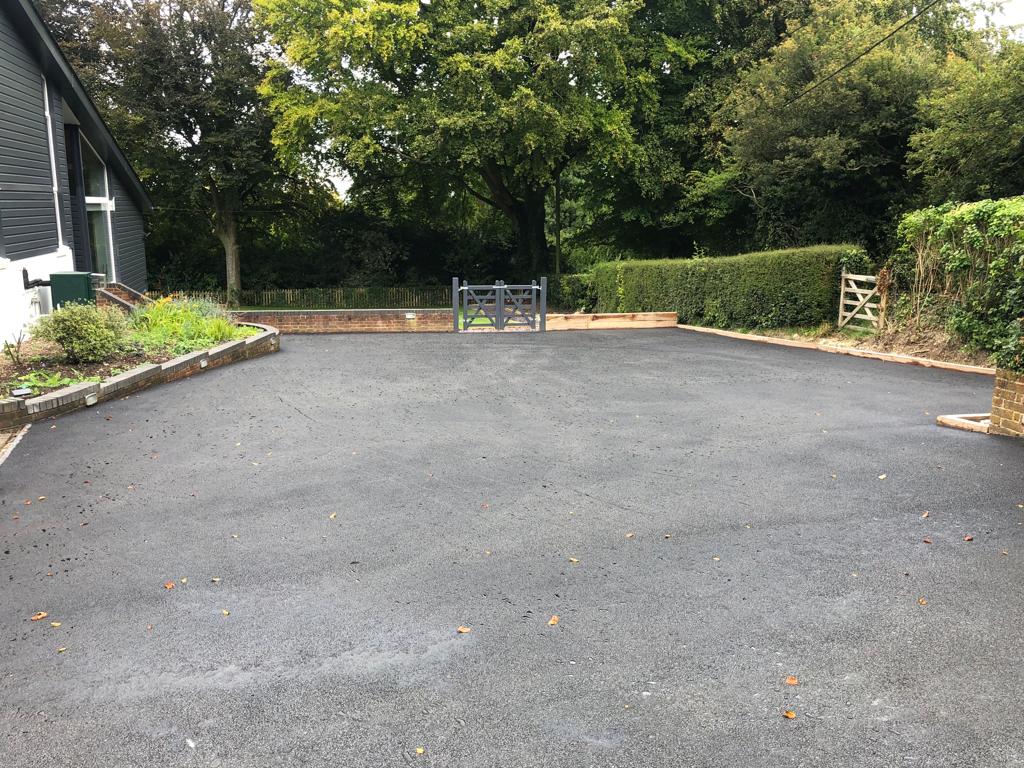
Choosing the right surface for a new driveway is an important decision that affects its appearance, durability and everyday performance. A well-designed driveway should complement the property while providing a stable, practical area for vehicles and regular access. However, different surfacing materials have different characteristics, so the most suitable option depends on how the driveway will be used and the conditions of the site.
For property owners in Footscray, VIC, Australia, selecting the right driveway surface means considering factors such as vehicle traffic, drainage, ground preparation and ongoing maintenance. Understanding the main options can help you make an informed decision and achieve a finish that suits your property.
Consider How Your Driveway Will Be Used
Before choosing a material, think about the demands that will be placed on the driveway. A surface used by one family car may have different requirements from an area that regularly accommodates several vehicles or heavier vehicles.
The expected traffic load influences the strength of the underlying base and the type of surface that will perform well. Turning areas, vehicle entrances and sections where cars regularly stop can also experience greater stress.
It is equally important to consider the layout. A long driveway, sloping entrance or restricted turning space may require a different approach from a short, level driveway. Assessing these details before installation helps ensure that the chosen surface is suitable for its intended use.
Tarmac and Asphalt: Practical and Versatile Options
Tarmac and asphalt are popular driveway surfaces because they provide a smooth, continuous finish. Their appearance suits a wide range of properties, while the relatively even surface makes vehicle access straightforward.
These materials are particularly useful where homeowners want a practical driveway that can accommodate regular vehicle movement. They can also be laid to follow different driveway shapes, making them suitable for a variety of layouts.
However, their performance depends heavily on proper groundwork, suitable material selection and correct installation. A well-prepared base helps distribute vehicle loads and reduces the likelihood of premature cracking, settlement or surface deterioration.
Drainage should also be considered carefully so that water does not collect on the finished surface or weaken the supporting layers.
Concrete: A Solid and Structured Finish
Concrete is another option for homeowners seeking a firm and continuous driveway surface. It can provide a clean, structured appearance and may be finished in different ways to suit the surrounding property.
Its suitability depends on factors such as ground stability, drainage, slab thickness and the expected vehicle loads. Correct preparation and installation are essential because inadequate support or poorly managed joints can contribute to cracking.
Concrete can be a practical choice where a defined, relatively low-maintenance surface is preferred, although repairs may be more noticeable depending on the finish.
Block Paving: Flexible Design Possibilities
Block paving offers a different appearance from continuous surfaces such as tarmac or concrete. Individual blocks can be arranged in different patterns, colours and layouts, allowing homeowners to create a more decorative driveway.
One useful feature of block paving is that individual damaged or sunken blocks can often be lifted and reinstated without replacing the entire surface. This can make localised maintenance more straightforward.
However, the finished result relies on a properly prepared and compacted sub-base, accurate laying and suitable edge restraints. Without these details, blocks may shift, spread or become uneven under regular traffic.
The joints between blocks also require attention to help maintain the stability and appearance of the driveway.
Resin-Bound Surfacing: A Contemporary Appearance
Resin-bound surfacing is created by mixing natural aggregates with a clear resin before laying the material as a smooth, seamless finish. It is available in different aggregate colours and combinations, making it a popular choice for homeowners looking for a contemporary appearance.
A properly constructed resin-bound surface can provide a smooth finish with good resistance to everyday use. Some systems are designed to allow water to drain through the surface, but this depends on the complete installation, including the suitability of the base and drainage arrangements.
It is important not to confuse resin-bound surfacing with resin-bonded systems, where aggregate is scattered over a resin-coated base. These methods have different finishes and drainage characteristics.
Why Ground Preparation and Drainage Matter
The surface material is only one part of a successful driveway installation. Beneath it, the supporting ground and sub-base play a major role in determining how well the finished driveway performs.
If the existing ground is unstable, poorly compacted or unsuitable for the expected traffic, the surface may develop cracks, dips or other signs of deterioration. Proper excavation, suitable sub-base materials and thorough compaction help create a stable foundation.
Drainage is equally important. Water that remains on the driveway or enters the supporting layers can contribute to erosion, movement and premature damage. The driveway should therefore be designed with appropriate falls and drainage arrangements for the site.
Choosing a Surface That Suits Your Property
The best driveway surface is not necessarily the most decorative or the most popular option. It should be selected according to the property’s layout, expected vehicle use, ground conditions and desired appearance.
Consider how much maintenance you are comfortable undertaking, whether you prefer a continuous or patterned finish and how the driveway will complement the surrounding outdoor space.
A professional assessment can help identify any site-specific challenges and establish which materials and construction methods are appropriate. This is particularly valuable where the driveway has uneven ground, drainage concerns or areas that will experience frequent vehicle movement.
Professional Driveway Surfacing in Footscray
A successful driveway requires careful planning, suitable materials and attention to every stage of installation. From preparing the ground to applying the final surface, each part of the process contributes to the finished driveway’s strength, appearance and long-term performance.
Footscray Road Tech provides driveway surfacing services for property owners in Footscray, VIC, Australia. Whether you are considering tarmac, asphalt or another suitable surface, professional guidance can help you choose an option that meets your property’s requirements.
Conclusion
Choosing the right surface for your new driveway involves balancing appearance, durability, maintenance and practical requirements. Tarmac, asphalt, concrete, block paving and resin-bound surfacing each offer different advantages, but their success depends on choosing the right system and installing it correctly.
If you are planning a new driveway, contact Footscray Road Tech to discuss your requirements and find a suitable surfacing solution for your property in Footscray, VIC, Australia.
Call us on: 03 4159 2883
Click here to find out more about Footscray Road Tech
Click here to complete our contact form and see how we can help with your driveways.