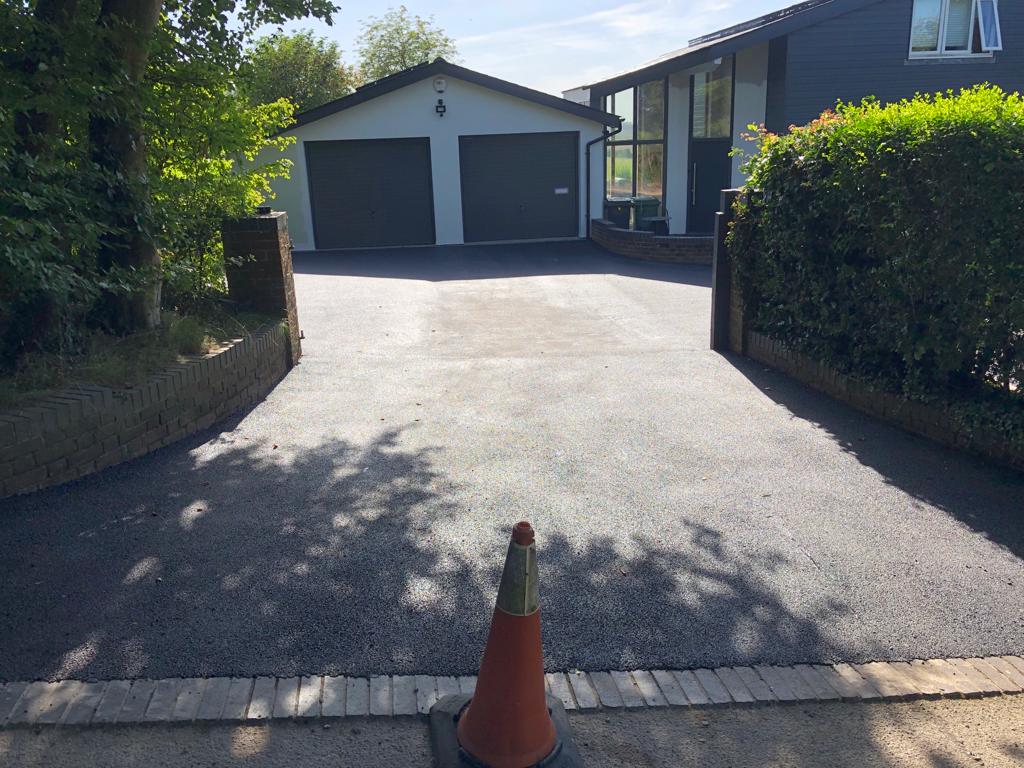
Choosing the right driveway surface can improve your property’s appearance, provide reliable access and make everyday vehicle use more convenient. With several materials available, it is important to understand how each option performs, how much maintenance it requires and whether it suits your property’s layout and intended use.
For homeowners in Footscray, VIC, asphalt, bitumen and concrete are worth considering when planning a new driveway or upgrading an existing surface. Although these materials can appear similar in some applications, they have different characteristics that influence their durability, finish and suitability for different conditions.
Understanding these differences will help you make an informed decision and choose a driveway surface that meets your practical needs.
Asphalt Driveways: A Smooth and Flexible Surface
Asphalt is a popular driveway material made from aggregates bound together with bitumen. It creates a relatively smooth, dark surface that works well for residential driveways and vehicle access areas.
One of its main advantages is flexibility. Asphalt can accommodate some minor movement in the underlying ground, although proper base preparation remains essential. When installed correctly, it provides a consistent driving surface that is suitable for regular vehicle use.
Asphalt can also be practical where homeowners prefer a clean, understated appearance. However, its condition can deteriorate if water enters through cracks or the supporting base becomes unstable. Hot weather and heavy vehicle loads can also contribute to softening or deformation under certain conditions.
Regular inspections help identify early signs of cracking, depressions and drainage problems. Addressing these issues promptly can help maintain the surface and prevent localised damage from spreading.
For properties in Footscray, asphalt may be a suitable choice where a smooth, practical driveway is the main priority.
Bitumen Driveways: A Practical Surfacing Option
Bitumen is a binding material used in many road and driveway surfacing systems. In everyday conversation, the term is sometimes used interchangeably with asphalt, but the two are not identical: asphalt is a mixture of aggregates and a binder, while bitumen is the binder itself.
Bitumen-based driveway treatments can include spray seals, where a layer of bitumen is applied and covered with aggregate. The final appearance and performance depend on the particular surfacing system, the condition of the base and the quality of installation.
A suitable bitumen surface can provide a practical finish for certain driveways and access areas. However, the best approach depends on how much traffic the driveway receives, the existing ground conditions and the drainage requirements.
Before choosing this option, it is important to assess whether the surface is appropriate for the driveway’s intended use. A professional assessment can help determine the most suitable bitumen treatment and whether the existing base requires preparation or repairs.
Concrete Driveways: A Firm and Versatile Finish
Concrete is another common driveway option, valued for its firm surface and range of possible finishes. It can be left relatively plain or finished with textures and patterns to complement the property’s exterior.
When properly designed, poured and cured, concrete can provide a durable surface for everyday vehicle access. Its rigidity helps it maintain a defined shape, but it also means that ground movement or an inadequately prepared base can lead to cracking.
Concrete driveways need appropriate control joints and careful drainage planning. Water should not be allowed to collect around the edges or flow towards the building. Poor installation and inadequate ground preparation can affect the surface’s long-term performance.
Although concrete is generally straightforward to clean, stains and surface deterioration can occur. Repairs may also be more noticeable where the existing finish or colour is difficult to match.
For homeowners in Footscray, concrete may be worth considering when a firm surface and a particular decorative finish are important.
Asphalt vs Bitumen vs Concrete: What Should You Consider?
The best driveway surface depends on more than appearance. Consider the following factors before making a decision.
Durability: All three options can perform well when suited to the site and installed correctly. Base preparation, drainage, material quality and workmanship have a major influence on how long the surface lasts.
Appearance: Asphalt generally provides a smooth, dark finish. Bitumen treatments can have a more aggregate-textured appearance, depending on the system used. Concrete offers a wider range of textures and decorative finishes.
Maintenance: Asphalt and bitumen surfaces should be checked for cracks, loose aggregate and water penetration. Concrete should be monitored for cracking, surface wear and drainage issues. The maintenance required depends on the specific installation and site conditions.
Weather and drainage: Footscray properties can experience changing weather conditions, so the driveway must be designed to manage rainfall and surface water effectively. No material will perform reliably if water is allowed to undermine the base.
Intended use: A driveway used daily by several vehicles may have different requirements from a short access path or lightly used parking area. The expected loads should inform the choice of surface and the construction beneath it.
Comparing these factors helps ensure that the selected material suits the property rather than simply matching a preferred appearance.
Why Professional Driveway Preparation Matters
Even the most suitable surfacing material can fail prematurely if the groundwork is poor. Before installation, the existing surface and underlying ground should be assessed for stability, drainage and any signs of movement.
Preparation may involve removing unsuitable material, establishing a stable base, setting appropriate levels and ensuring water drains away effectively. The surface must then be installed using methods appropriate to the chosen material and the conditions on site.
Footscray Road Tech can help assess your driveway requirements, explain the available surfacing options and identify practical considerations before work begins. Choosing the right surface alongside proper preparation helps create a driveway designed for regular use and lasting performance.
Conclusion
Asphalt, bitumen and concrete each offer different benefits for residential driveways. Asphalt provides a smooth, flexible surface, bitumen-based treatments can suit particular access and surfacing needs, and concrete offers a firm finish with a variety of design options.
The right choice for your Footscray, VIC property will depend on its ground conditions, drainage, expected vehicle use and preferred appearance. If you are planning a new driveway or considering an upgrade, contact Footscray Road Tech to discuss your requirements and find a suitable surfacing solution for your property.
Call us on: 03 4159 2883
Click here to find out more about Footscray Road Tech
Click here to complete our contact form and see how we can help with your driveways.