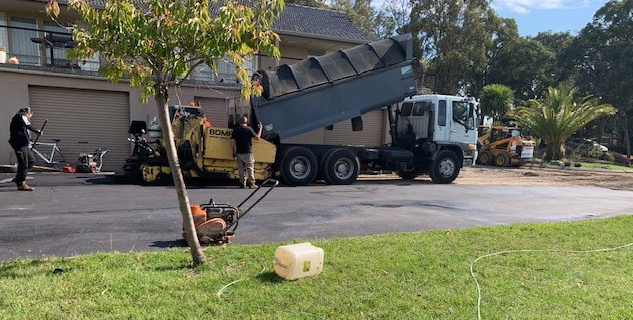
When people look at a newly completed asphalt surface, their attention naturally goes to the smooth, finished layer they can see. However, much of the pavement’s strength comes from the carefully prepared materials underneath. Asphalt relies on its foundation to support traffic, distribute loads, maintain the correct surface profile and resist movement over time.
Without a stable foundation, even quality asphalt can develop premature cracking, rutting, depressions and other forms of deterioration. For property owners and businesses in Footscray, VIC, understanding the importance of pavement preparation can help explain why professional asphalt construction starts well before the asphalt itself is laid.
Asphalt Is Only One Part of the Pavement
An asphalt pavement is a complete structural system rather than simply a layer of black material placed over the ground.
While individual projects differ, pavement construction generally involves the existing ground, prepared supporting layers and the asphalt wearing surface. Each component has a role in carrying traffic and maintaining stability.
The asphalt provides a durable, smooth surface, but the layers underneath provide much of the structural support it needs.
If those layers are inadequate, problems beneath the pavement can eventually become visible at the surface.
A Strong Base Helps Distribute Vehicle Loads
Every vehicle places a load on the pavement. Instead of allowing that pressure to remain concentrated immediately beneath the tyres, a correctly constructed pavement distributes the load through its supporting layers.
This becomes particularly important on surfaces exposed to:
- Frequent vehicle movements
- Delivery vehicles
- Heavy commercial traffic
- Repeated turning
- Regular braking and acceleration
A stable foundation helps the pavement manage these stresses without excessive movement or deformation.
Poor Foundations Can Lead to Rutting
Rutting appears as depressions along frequently travelled wheel paths.
While different factors can contribute to rutting, inadequate support beneath the asphalt can be one cause. If the base moves or compresses under repeated traffic, the asphalt above can begin following that deformation.
Over time, wheel tracks may become increasingly noticeable.
A properly prepared and compacted foundation provides better resistance to this movement and helps the finished pavement retain its intended profile.
Cracking Can Begin Below the Surface
Cracking is not always caused by the asphalt surface itself.
Movement within the pavement foundation can create stresses that transfer upwards. If sections beneath the asphalt settle, shift or lose stability, the surface may eventually crack as it responds to that movement.
This is why repeatedly treating cracks without investigating their cause does not always provide a lasting solution.
Where cracking is related to foundation instability, the underlying problem needs to be considered as part of the repair strategy.
Compaction Is Essential
Simply placing base material beneath asphalt is not enough. That material needs to be correctly compacted to create a dense and stable supporting layer.
Inconsistent compaction can leave weaker areas within the pavement. These sections may settle differently once regular traffic begins using the surface.
Professional compaction helps:
- Increase pavement stability
- Reduce unwanted settlement
- Support consistent surface levels
- Improve load distribution
- Create a suitable platform for asphalt placement
Careful compaction is therefore one of the most important stages of asphalt preparation.
Drainage and Foundation Strength Work Together
Water can significantly affect the strength of pavement layers.
If moisture is allowed to enter and remain within the supporting structure, some pavement materials can lose stability. Passing vehicles then repeatedly load the weakened area, increasing the potential for movement and surface deterioration.
Good pavement construction therefore considers drainage from the beginning.
Appropriate grading helps direct rainfall away from the traffic surface, while well-planned drainage reduces the opportunity for water to affect the foundation.
Low Areas Can Become Long-Term Problems
The foundation also establishes the levels and shape of the finished pavement.
If preparation creates low areas or an unsuitable profile, water may collect on the completed asphalt. Standing water can exploit cracks and surface defects as the pavement ages, increasing the opportunity for moisture to penetrate deeper into the structure.
Accurate grading before asphalt installation helps establish appropriate falls and supports effective runoff.
This demonstrates why surface drainage cannot simply be added as an afterthought once paving is complete.
Foundation Design Should Reflect How the Surface Will Be Used
Not every asphalt pavement requires exactly the same preparation.
A surface intended for relatively light traffic has different demands from an area regularly exposed to heavier commercial vehicles. Ground conditions can also vary from one site to another.
Before construction, professional contractors consider factors such as:
- Existing ground conditions
- Expected traffic volumes
- Vehicle types and loads
- Drainage requirements
- Intended pavement use
- Areas of concentrated traffic movement
This allows the pavement structure to be prepared around the actual requirements of the site.
Why Simply Laying Asphalt Over a Poor Surface Can Fail
Placing new asphalt over an unstable or badly deteriorated surface may improve its appearance initially, but it does not necessarily correct what is happening underneath.
Existing depressions, movement or structural weaknesses can eventually affect the new layer.
Before resurfacing, it is therefore important to determine whether the existing pavement provides adequate support. Localised failures may need repairing, while more extensive instability may require additional preparation.
The objective is to give the new asphalt a foundation capable of supporting its long-term performance.
What Are the Signs of Foundation Problems?
Some surface defects can indicate that the supporting pavement requires further investigation.
Potential warning signs include:
- Repeated potholes in the same locations
- Deep wheel rutting
- Noticeable settlement
- Widespread interconnected cracking
- Uneven pavement levels
- Soft or unstable sections
- Recurring deterioration after repairs
These symptoms do not all have the same cause, which is why professional assessment is important before deciding how the pavement should be restored.
A Strong Foundation Helps Prevent Potholes
Potholes frequently develop through a combination of pavement weakness, moisture and traffic.
When water enters cracks and reaches a vulnerable base, the supporting material can weaken. Traffic then flexes and stresses the surface until sections begin breaking away.
A well-prepared foundation, effective drainage and timely surface maintenance work together to reduce the conditions that allow potholes to develop.
Preparation Is Particularly Important Before Resurfacing
Existing asphalt does not always need complete reconstruction when it becomes worn. Resurfacing can be an effective way to renew a pavement where the underlying structure remains suitable.
However, resurfacing should not be used simply to hide structural failure.
Before applying a new asphalt layer, contractors may need to:
- Inspect the existing pavement.
- Identify cracks, potholes and deformation.
- Assess areas of possible structural weakness.
- Repair unsuitable sections.
- Check drainage and surface levels.
- Prepare the pavement for the new asphalt layer.
Completing these steps helps ensure resurfacing addresses the condition of the pavement rather than merely improving its appearance.
Why Professional Site Preparation Adds Long-Term Value
The best asphalt projects are built from the ground up.
Experienced surfacing contractors understand that preparation, drainage, grading, compaction and asphalt placement are interconnected. A weakness in one part of the pavement can affect the performance of everything above it.
Professional preparation helps create a surface that is better equipped to maintain:
- Structural stability
- Smooth vehicle access
- Effective drainage
- Consistent surface levels
- Reliable long-term performance
For property owners, this makes the work beneath the asphalt just as important as the quality of the visible finished surface.
Conclusion
Asphalt needs a strong foundation because the surface cannot provide all of the pavement’s structural support on its own. The layers underneath help distribute vehicle loads, maintain pavement levels, manage movement and provide the stability needed for the asphalt to perform properly. Poor preparation, inadequate compaction and drainage problems can eventually contribute to cracking, rutting, potholes and premature deterioration.
For asphalt surfaces in Footscray, VIC, careful preparation is essential whether constructing a new pavement or resurfacing an existing one. Footscray Road Tech provides professional asphalt and bitumen surfacing solutions with attention to base preparation, grading, drainage and the individual requirements of each site. If you are planning an asphalt project or have an existing surface showing signs of deterioration, contact our team to discuss the most appropriate approach for dependable long-term performance.
Call us on: 03 4159 2883
Click here to find out more about Footscray Road Tech
Click here to complete our contact form and see how we can help with your driveways.